Feeling short of breath can be unsettling. For some, it happens during exercise. For others, it appears suddenly at rest or worsens over time. While breathlessness is not always related to the heart, it can be one of the most important signs of an underlying cardiovascular condition.
If you are searching for a heart specialist in Houston for shortness of breath, understanding when and why to seek care is the first step toward clarity and peace of mind.
What Does Shortness of Breath Mean?
Shortness of breath—also known as dyspnea—is the sensation of not getting enough air. It may feel like:
- Difficulty taking a full breath
- Tightness in the chest
- Rapid or shallow breathing
- Fatigue with minimal activity
This symptom can have multiple causes, including respiratory, metabolic, or cardiovascular conditions. Identifying the source is essential.
When Shortness of Breath May Be Heart-Related
In cardiology, shortness of breath is often associated with how effectively the heart pumps blood and delivers oxygen throughout the body.
Possible heart-related causes include:
- Heart failure
- Coronary artery disease
- Arrhythmias (irregular heartbeat)
- Valvular heart disease
- Fluid buildup in the lungs
When the heart is not functioning efficiently, the body may struggle to meet oxygen demands, leading to breathlessness.
Warning Signs You Should Not Ignore
You should consider seeing a heart specialist in Houston if shortness of breath:
- Occurs suddenly without a clear reason
- Happens at rest or worsens when lying down
- Limits your ability to perform daily activities
- Is accompanied by chest discomfort, palpitations, or dizziness
- Has been progressively worsening
These patterns may indicate the need for a cardiovascular evaluation.
Why Early Evaluation Matters
Shortness of breath is often one of the earliest symptoms of heart disease. Evaluating it early allows for:
- Accurate diagnosis
- Prevention of disease progression
- Safer management of symptoms
- Better long-term outcomes
Delaying evaluation can make treatment more complex over time.
What a Heart Specialist Does in This Situation
A heart specialist (cardiologist) focuses on identifying whether the symptom is related to the cardiovascular system and, if so, determining the cause.
Evaluation may include:
- Detailed symptom and medical history review
- Physical examination
- Electrocardiogram (ECG)
- Echocardiogram
- Stress testing
- Cardiac monitoring or imaging
The goal is to understand not just what is happening, but why.
Finding the Right Heart Specialist in Houston
Houston offers access to advanced medical care, but choosing the right specialist is about more than availability. Patients often benefit from a cardiologist who:
- Takes time to listen and understand symptoms
- Explains findings clearly
- Provides continuity of care
- Focuses on both diagnosis and prevention
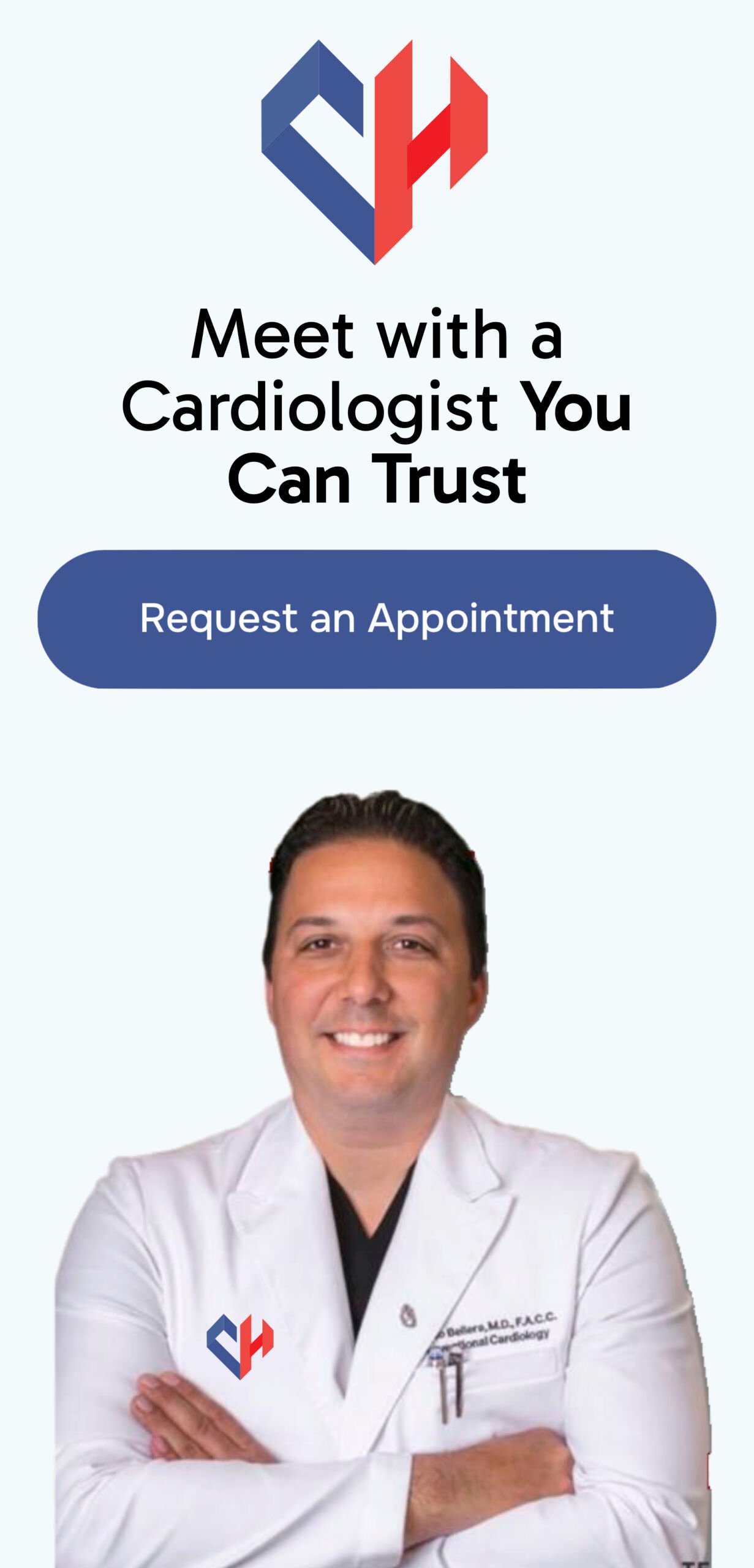
At CARDIO Houston, patients with shortness of breath receive a comprehensive and thoughtful cardiovascular evaluation led by Dr. Ricardo V. Bellera, U.S.–board certified cardiologist.
A Human Approach to a Concerning Symptom
Experiencing shortness of breath can create uncertainty and anxiety. A patient-centered approach helps reduce that uncertainty by providing clear explanations and structured next steps.
At CARDIO Houston, care is focused on:
- Understanding each patient’s unique situation
- Communicating in a clear and reassuring way
- Providing evidence-based recommendations
- Supporting both immediate concerns and long-term heart health
If you are experiencing shortness of breath and are unsure of the cause, seeking evaluation from a heart specialist may provide clarity and reassurance. Then, if you are looking for a heart specialist in Houston for shortness of breath, requesting a cardiology evaluation can be an important next step.