Your heart does more than keep you alive. It carries your story.
It works through long workdays, sleepless nights, family responsibilities, stress, celebrations, worries, hopes, and everything in between. It beats quietly while you take care of everyone else. It keeps going when you ignore the warning signs, postpone the appointment, blame symptoms on age, or tell yourself, “I’m probably fine.”
But when it comes to your heart, “probably fine” is not a strategy.
At CARDIO Houston, heart and vascular care is built around a simple but powerful mission:
Early Detection. Advanced Treatment. Better Outcomes.
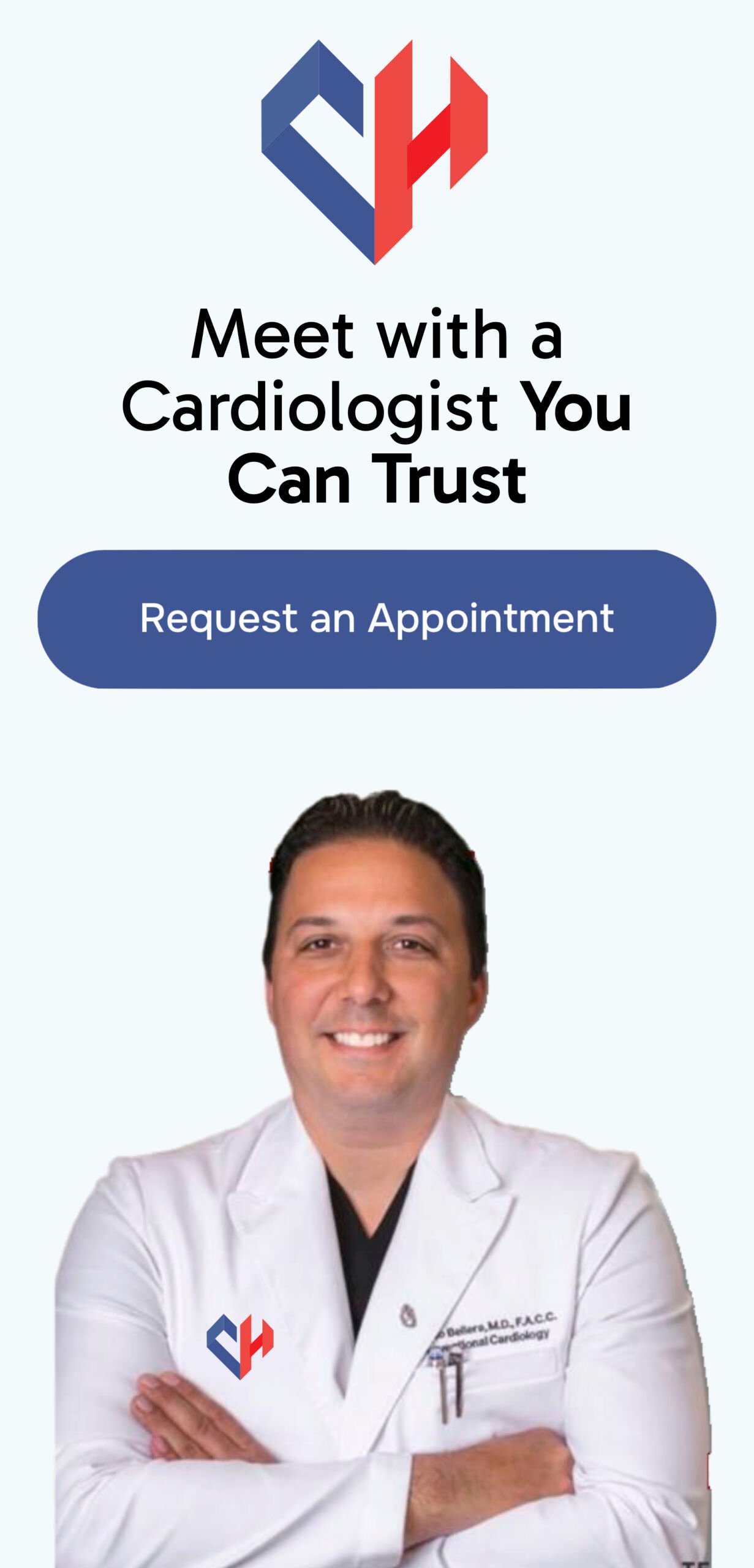
Led by Dr. Ricardo V. Bellera, CARDIO Houston provides comprehensive cardiovascular care for patients across Houston, Katy, The Woodlands, Spring, and surrounding communities. The practice brings together advanced diagnostic tools, evidence-based medicine, preventive cardiology, vascular evaluation, arrhythmia management, and interventional cardiology coordination — all with a patient-centered approach that feels personal, clear, and compassionate.
This is not a place where patients are treated like numbers.
This is a cardiovascular practice where patients are heard, guided, educated, and cared for with warmth, dedication, and clinical precision. Whether you are experiencing chest discomfort, shortness of breath, palpitations, high blood pressure, high cholesterol, leg pain, dizziness, fainting episodes, or you simply want to understand your cardiovascular risk before a problem appears, CARDIO Houston is designed to help you take control of your heart health with confidence.
Heart disease remains one of the most important health concerns in the United States, and many of its major risk factors — including high blood pressure, high cholesterol, smoking, diabetes, physical inactivity, and lifestyle habits — can be identified and managed before they lead to serious complications. The CDC identifies high blood pressure, high cholesterol, and smoking as key heart disease risk factors, while also noting that family history, age, and certain medical conditions can increase risk.
That is why the care you choose matters.
And that is why CARDIO Houston exists.
Why Choosing the Right Cardiologist in Houston Matters
Searching for a cardiologist in Houston often begins after something changes.
Maybe your primary care doctor noticed abnormal blood pressure readings. Maybe your cholesterol has been high for years. Maybe you felt chest pressure and tried to convince yourself it was indigestion. Maybe your smartwatch detected an irregular rhythm. Maybe you felt your heart racing at night. Maybe walking up stairs suddenly feels harder. Maybe you have diabetes and want to prevent cardiovascular complications. Maybe heart disease runs in your family, and you are ready to stop guessing.
Whatever brought you here, the right cardiologist should do more than order tests.
A good cardiovascular specialist should help you understand what is happening inside your body, what your risk factors mean, which tests are truly necessary, what your treatment options are, and how to make decisions that protect your long-term health.
At CARDIO Houston, the goal is not simply to react when disease becomes severe. The goal is to detect problems early, treat them appropriately, and guide patients toward better cardiovascular outcomes.
That means care may include:
- Preventive cardiology
- Cardiovascular risk assessment
- Hypertension management
- Cholesterol management
- Diabetes-related cardiovascular prevention
- Lifestyle counseling
- EKG testing
- Echocardiography
- Stress testing
- Nuclear stress testing
- Holter and event monitoring
- Ambulatory blood pressure monitoring
- Coronary calcium scoring
- Advanced cardiac imaging
- Arrhythmia evaluation
- Vascular ultrasound
- Peripheral artery disease screening
- Varicose vein and vein disease evaluation
- Coronary artery disease management
- Cardiac catheterization coordination
- Peripheral vascular intervention coordination
- Valvular heart disease treatment coordination
But behind that list of services is something equally important: a doctor who takes the time to connect the medical information to the person sitting in front of him.
Because cardiovascular care is not only about arteries, valves, rhythms, pressure, and numbers.
It is about people.
Meet CARDIO Houston: Advanced Cardiovascular Care with Compassion and Innovation
CARDIO Houston is a cardiovascular practice dedicated to the prevention, diagnosis, and treatment of heart and vascular disease.
The practice combines three essential pillars:
- Advanced technology, because modern cardiovascular care depends on accurate diagnostics and timely information.
- Evidence-based medicine, because treatment should be guided by science, clinical guidelines, and proven medical standards.
- Compassionate care, because patients deserve to be treated with respect, patience, and humanity.
This combination is especially important in cardiology. Heart symptoms can be frightening. A new diagnosis can feel overwhelming. Medical terms can sound intimidating. Patients may arrive worried, confused, or frustrated after years of being told to “watch it,” “lose weight,” “reduce stress,” or “come back later.” At CARDIO Houston, the experience is different.
The focus is on helping patients understand their condition, recognize their options, and feel supported throughout the process. Dr. Bellera’s approach is not only clinical; it is educational and personal. Patients are encouraged to ask questions, discuss concerns, and become active participants in their own care.
That is what makes CARDIO Houston more than a cardiology office.
It is a place for patients who want clarity. A place for people who want answers. A place for families who want prevention. A place for individuals who want their heart care handled with both expertise and kindness.
A Patient-Centered Mission: Early Detection, Advanced Treatment, Better Outcomes
The mission of CARDIO Houston can be summarized in three connected ideas.
Early Detection
Many cardiovascular conditions develop silently. High blood pressure may not cause obvious symptoms. High cholesterol can go unnoticed for years. Peripheral artery disease may be mistaken for aging or muscle fatigue. Atrial fibrillation may come and go. Coronary artery disease may progress gradually until symptoms become more serious.
The American Heart Association describes high blood pressure as a condition in which the force of blood flowing through the blood vessels is consistently too high, and it emphasizes lifestyle changes as an important part of blood pressure management.
Early detection allows patients and physicians to identify risks before they become emergencies.
At CARDIO Houston, early detection may involve cardiovascular risk assessment, blood pressure evaluation, cholesterol review, cardiac imaging, EKG, stress testing, coronary calcium scoring, rhythm monitoring, or vascular ultrasound depending on the patient’s symptoms and risk profile.
Advanced Treatment
Once a cardiovascular concern is identified, the next step is choosing the right treatment strategy.
Sometimes treatment begins with lifestyle changes, medication, and monitoring. In other cases, patients may need advanced imaging, arrhythmia management, interventional cardiology coordination, cardiac catheterization coordination, peripheral vascular intervention coordination, or valvular heart disease treatment planning.
Advanced treatment does not always mean invasive treatment.
It means precise, appropriate, individualized care.
Better Outcomes
Better outcomes come from combining prevention, diagnosis, treatment, follow-up, and patient education.
When patients understand their heart health, they are more likely to take action. When risk factors are managed early, serious complications may be reduced. When symptoms are evaluated properly, patients gain peace of mind and direction. At CARDIO Houston, better outcomes are not just a slogan.
They are the reason the practice exists.
Preventive Cardiology in Houston: Protecting Your Heart Before Disease Progresses
Preventive cardiology is one of the most important areas of modern heart care.
Instead of waiting for a heart attack, stroke, heart failure, or severe vascular disease, preventive cardiology focuses on identifying risk factors early and creating a plan to reduce future cardiovascular risk.
This is especially important for patients with:
- High blood pressure
- High cholesterol
- Diabetes
- Family history of heart disease
- Smoking history
- Obesity
- Sedentary lifestyle
- Kidney disease
- Prior abnormal cardiac testing
- Chest pain or shortness of breath
- History of stroke or peripheral vascular disease
- Elevated coronary calcium score
- Concerns about long-term cardiovascular risk
The American College of Cardiology and American Heart Association prevention guideline emphasizes risk assessment in adults, including 10-year atherosclerotic cardiovascular disease risk evaluation for adults ages 40 to 75 who are being evaluated for prevention.
At CARDIO Houston, preventive cardiology may include a careful review of your medical history, family history, lifestyle, lab results, blood pressure readings, symptoms, medications, and personal goals.
The goal is not to scare patients.
The goal is to create a clear plan.
A preventive cardiology visit may help answer questions like:
- Am I at risk for heart disease?
- Is my blood pressure controlled?
- Do I need cholesterol medication?
- Is my diabetes affecting my heart?
- Should I have a coronary calcium score?
- Are my symptoms heart-related?
- What lifestyle changes would make the biggest difference?
- How often should I follow up with a cardiologist?
- Do I need additional testing?
- Can I prevent future cardiovascular complications?
For many patients, this type of care can be life-changing because it turns uncertainty into action.
Cardiovascular Risk Assessment: Understanding Your Personal Heart Risk
No two patients have the same cardiovascular story.
One person may have normal cholesterol but a strong family history of heart disease. Another may have diabetes and high blood pressure but no symptoms. Another may exercise regularly but experience palpitations. Another may smoke and have leg pain while walking. Another may feel fine but have an elevated coronary calcium score.
A cardiovascular risk assessment helps connect the dots.
At CARDIO Houston, risk assessment may consider:
- Age
- Blood pressure
- Cholesterol levels
- Diabetes
- Smoking history
- Family history
- Weight
- Physical activity
- Kidney function
- Symptoms
- Prior test results
- Medication history
- Lifestyle factors
- Vascular health
- Heart rhythm concerns
This evaluation helps Dr. Bellera determine whether a patient may benefit from lifestyle counseling, medication management, diagnostic testing, imaging, or closer cardiovascular follow-up.
For patients in Houston who have delayed care, ignored symptoms, or simply never had a proper cardiovascular evaluation, this can be the first step toward taking control.
Hypertension Management: Why High Blood Pressure Should Never Be Ignored
High blood pressure, also known as hypertension, is often called the “silent killer” because many people have it without obvious symptoms.
But silent does not mean harmless.
Over time, uncontrolled high blood pressure can damage blood vessels and increase the risk of heart attack, stroke, heart failure, kidney disease, and other serious conditions. The CDC notes that physical inactivity, unhealthy diet, diabetes, tobacco use, excessive alcohol intake, family history, age, and other factors can increase the risk of high blood pressure.
At CARDIO Houston, hypertension management is not just about writing a prescription.
It is about understanding why blood pressure is elevated, how long it has been uncontrolled, whether it has affected the heart or blood vessels, and what treatment strategy makes sense for the individual patient.
Hypertension care may include:
- Blood pressure review
- Medication adjustment
- Ambulatory blood pressure monitoring
- Lifestyle counseling
- Evaluation for secondary causes of hypertension
- Heart and vascular testing when appropriate
- Long-term cardiovascular prevention planning
Patients often underestimate high blood pressure because they do not feel sick.
But cardiology is not only about how you feel today.
It is about what your heart and blood vessels are experiencing every day.
Cholesterol Management: Reducing Risk Before Plaque Becomes a Problem
Cholesterol plays a major role in cardiovascular health.
When cholesterol levels are too high, fatty deposits can build up in the arteries, contributing to atherosclerosis. Over time, this can increase the risk of coronary artery disease, heart attack, stroke, and peripheral artery disease.
At CARDIO Houston, cholesterol management is personalized.
Some patients may need lifestyle changes. Others may need medication. Some may need additional testing to better understand their risk. Patients with family history, diabetes, high LDL cholesterol, or evidence of plaque may require more aggressive prevention.
A cholesterol visit may include discussion of:
- LDL cholesterol
- HDL cholesterol
- Triglycerides
- Total cholesterol
- Family history
- Diet and exercise
- Diabetes
- Coronary calcium scoring
- Medication options
- Long-term cardiovascular risk
The goal is not simply to “lower a number.”
The goal is to reduce cardiovascular risk and protect the arteries that supply the heart, brain, legs, and vital organs.
Diabetes and Heart Disease Prevention
Diabetes is one of the most important cardiovascular risk factors.
Many patients think of diabetes mainly as a blood sugar condition, but diabetes also affects the blood vessels and can significantly increase the risk of heart disease and vascular disease.
At CARDIO Houston, patients with diabetes may benefit from cardiovascular prevention even before symptoms appear.
This may include:
- Cardiovascular risk assessment
- Blood pressure management
- Cholesterol management
- Lifestyle counseling
- Evaluation for coronary artery disease
- Vascular screening when appropriate
- Coordination with primary care or endocrinology
- Medication review from a cardiovascular perspective
For patients with diabetes, prevention is not optional.
It is a central part of protecting long-term health.
Lifestyle and Wellness Counseling: Small Changes, Real Cardiovascular Impact
Lifestyle does not replace medical care, but it is one of the foundations of heart health.
At CARDIO Houston, lifestyle counseling is practical, respectful, and personalized. Patients are not judged. They are guided.
Important lifestyle areas may include:
- Smoking cessation
- Nutrition
- Physical activity
- Weight management
- Alcohol intake
- Sleep quality
- Stress management
- Blood pressure habits
- Medication adherence
- Diabetes control
Smoking is particularly important in cardiovascular care. The American Heart Association states that smoking and secondhand smoke increase the risk of plaque buildup in the arteries and that smoking is a risk factor for high blood pressure, heart attack, and stroke.
At CARDIO Houston, the message is clear: if you smoke, quitting is one of the most powerful decisions you can make for your heart and blood vessels.
And the good news is that the body begins to benefit after quitting.
Patients do not need perfection. They need direction, support, and a realistic plan.
Coronary Calcium Scoring: Looking for Early Signs of Plaque
A coronary calcium score is a test that can help detect calcified plaque in the coronary arteries. These are the arteries that supply blood to the heart muscle.
For certain patients, coronary calcium scoring may help refine cardiovascular risk and guide prevention decisions.
This test may be considered for people who:
- Have intermediate cardiovascular risk
- Have high cholesterol
- Have family history of heart disease
- Are unsure whether they need cholesterol medication
- Want a clearer picture of coronary plaque burden
- Have risk factors but no symptoms
A coronary calcium score does not replace a full cardiovascular evaluation, but it can provide useful information as part of a broader prevention strategy.
At CARDIO Houston, testing is not ordered just to order testing.
It is used to answer specific clinical questions and guide better decisions.
Diagnostic Cardiology in Houston: Finding Answers with Advanced Testing
When patients have symptoms or risk factors, diagnostic cardiology helps determine what is happening.
CARDIO Houston offers comprehensive outpatient cardiovascular testing designed to evaluate heart structure, heart rhythm, blood flow, blood pressure patterns, and vascular health.
Diagnostic cardiology services may include:
- Electrocardiogram
- Echocardiography
- Stress testing
- Nuclear stress testing
- Holter monitoring
- Event monitoring
- Implantable loop recorder monitoring
- Ambulatory blood pressure monitoring
- Coronary CT
- Advanced cardiac imaging
- Cardiac PET/CT imaging
Each test has a different purpose.
Together, they help create a clearer picture of a patient’s cardiovascular condition.
EKG Testing: A Fast Look at Your Heart’s Electrical Activity
An electrocardiogram, commonly called an EKG or ECG, records the electrical activity of the heart.
It may be used to evaluate:
- Chest pain
- Palpitations
- Dizziness
- Fainting
- Abnormal rhythms
- Prior heart attack signs
- Medication effects
- Baseline heart function before further testing
An EKG is often one of the first tests performed in cardiology because it is quick, noninvasive, and useful in many situations.
However, a normal EKG does not always rule out heart disease.
That is why interpretation by an experienced cardiovascular specialist matters.
Echocardiography: Understanding Heart Structure and Function
An echocardiogram is an ultrasound of the heart.
It allows the cardiologist to evaluate heart muscle function, valve function, chamber size, pumping strength, and certain structural abnormalities.
An echocardiogram may be recommended for:
- Shortness of breath
- Chest discomfort
- Heart murmur
- Heart failure symptoms
- Valve disease
- High blood pressure effects
- Abnormal EKG
- Palpitations
- Swelling in the legs
- Follow-up of known cardiac conditions
At CARDIO Houston, echocardiography can help patients and physicians understand whether symptoms may be related to heart structure or function.
Stress Testing: Evaluating How Your Heart Performs Under Demand
Some heart problems are more noticeable when the heart is working harder.
A stress test helps evaluate how the heart responds to physical exertion or medication-induced stress.
Stress testing may be used for:
- Chest pain evaluation
- Shortness of breath with activity
- Coronary artery disease assessment
- Exercise tolerance evaluation
- Abnormal EKG follow-up
- Risk stratification
- Treatment planning
Depending on the patient’s condition, stress testing may be performed with exercise or with medication. Some patients may need imaging as part of the test.
Nuclear Stress Testing and MPI: Advanced Blood Flow Evaluation
Nuclear stress testing, also known as myocardial perfusion imaging or MPI, evaluates blood flow to the heart muscle.
This test may help detect areas of reduced blood flow that could suggest coronary artery disease.
It may be recommended for patients with:
- Chest pain
- Shortness of breath
- Abnormal stress test
- Known coronary artery disease
- Multiple cardiovascular risk factors
- Prior heart procedures
- Symptoms that need further evaluation
At CARDIO Houston, advanced diagnostic tools help ensure patients receive appropriate, targeted evaluation.
Holter and Event Monitoring: Capturing Heart Rhythm Problems
Heart rhythm symptoms do not always happen during a doctor’s appointment.
A patient may feel palpitations at night, dizziness during the day, or episodes of racing heartbeat that come and go unpredictably. That is where rhythm monitoring becomes important.
Holter monitors and event monitors help record heart rhythm over time.
They may be used to evaluate:
- Palpitations
- Irregular heartbeat
- Dizziness
- Fainting
- Atrial fibrillation
- Slow heart rhythms
- Fast heart rhythms
- Medication response
- Unexplained symptoms
For some patients, advanced rhythm monitoring or implantable loop recorder monitoring may be appropriate.
The goal is simple: capture the rhythm when symptoms occur.
Ambulatory Blood Pressure Monitoring: Seeing the Full Blood Pressure Pattern
Blood pressure can change throughout the day.
Some patients have high readings only in the medical office. Others have normal office readings but elevated blood pressure at home or during daily activities. Some have blood pressure spikes at certain times.
Ambulatory blood pressure monitoring provides a more complete view.
It may help evaluate:
- White coat hypertension
- Masked hypertension
- Medication effectiveness
- Resistant hypertension
- Blood pressure patterns during daily life
- Nighttime blood pressure behavior
This information can help Dr. Bellera make better treatment decisions.
Advanced Cardiac Imaging: Seeing More Clearly When It Matters
Modern cardiology depends increasingly on advanced imaging.
CARDIO Houston may coordinate or interpret advanced cardiac imaging such as coronary CT, cardiac PET/CT, and other imaging studies when clinically appropriate.
Advanced cardiac imaging can help evaluate:
- Coronary artery disease
- Blood flow to the heart
- Heart structure
- Plaque burden
- Complex symptoms
- Risk level
- Treatment planning
The right imaging test can help avoid uncertainty and support a more precise diagnosis.
Arrhythmia Management: When Your Heart Rhythm Feels Off
A normal heartbeat should feel steady most of the time. But many patients experience palpitations, skipped beats, racing heart, fluttering, dizziness, or fainting.
These symptoms can be unsettling.
Arrhythmias are heart rhythm abnormalities. Some are harmless. Others require treatment, monitoring, or further evaluation.
CARDIO Houston provides arrhythmia evaluation and management for conditions and symptoms such as:
- Atrial fibrillation
- Palpitations
- Syncope
- Near-fainting episodes
- Irregular heartbeat
- Pacemaker monitoring
- Advanced rhythm monitoring
- Antiarrhythmic medication management
The key is not to ignore rhythm symptoms, especially when they are new, frequent, associated with dizziness, or occurring in patients with other cardiovascular risk factors.
Atrial Fibrillation Evaluation and Treatment
Atrial fibrillation, often called AFib, is one of the most common heart rhythm disorders.
Patients may experience palpitations, fatigue, shortness of breath, chest discomfort, dizziness, or no symptoms at all.
AFib matters because it can increase the risk of stroke and other complications if not properly managed.
Care may include:
- Rhythm evaluation
- EKG
- Holter or event monitoring
- Echocardiography
- Medication management
- Stroke risk assessment
- Blood thinner discussion when appropriate
- Coordination with electrophysiology if needed
- Ongoing follow-up
At CARDIO Houston, AFib care is personalized because no two patients experience it the same way.
Palpitations and Syncope: When to See a Cardiologist
Palpitations can feel like racing, fluttering, pounding, skipping, or irregular beats.
Syncope means fainting. Near-syncope means feeling like you might faint.
These symptoms should be taken seriously, especially if they happen with chest pain, shortness of breath, exercise, dizziness, or known heart disease.
CARDIO Houston can help evaluate whether symptoms are related to rhythm disorders, structural heart problems, blood pressure changes, medication effects, or other cardiovascular causes.
Patients often feel relieved when they finally understand what is happening.
Answers matter.
Vascular Services in Houston: Caring for the Arteries and Veins Beyond the Heart
Cardiovascular care is not limited to the heart.
The vascular system includes arteries and veins throughout the body. Problems in these vessels can affect the brain, legs, kidneys, abdomen, and overall circulation.
CARDIO Houston provides vascular services such as:
- Carotid ultrasound
- Peripheral arterial ultrasound
- Venous insufficiency studies
- Abdominal aortic aneurysm screening
- Renal artery ultrasound
- Vein disease treatment
- Varicose vein evaluation and management
Vascular testing can help identify circulation problems before they become more serious.
Peripheral Artery Disease: Leg Pain May Be a Warning Sign
Peripheral artery disease, or PAD, occurs when narrowed arteries reduce blood flow to the limbs, most often the legs.
PAD may cause:
- Leg pain while walking
- Cramping
- Weakness
- Numbness
- Coldness in the feet or legs
- Slow-healing wounds
- Changes in skin color
- Reduced pulses
- Pain that improves with rest
The American Heart Association notes that cramping, tingling, or weakness in the legs may be signs of PAD and emphasizes that early detection is important.
PAD is especially important because it may signal a broader problem with atherosclerosis throughout the body. The American Heart Association also notes that people who smoke or have diabetes are at especially high risk for PAD and should be screened if they have risk factors, even without symptoms.
At CARDIO Houston, peripheral arterial ultrasound and vascular evaluation can help identify circulation problems and guide treatment.
Carotid Ultrasound: Evaluating Stroke-Related Vascular Risk
The carotid arteries carry blood to the brain.
A carotid ultrasound evaluates these arteries for narrowing or plaque buildup.
This test may be considered for patients with:
- Carotid bruit
- Prior stroke or mini-stroke
- Vascular disease
- High cardiovascular risk
- Multiple risk factors
- Dizziness or neurologic symptoms in certain contexts
- Known plaque disease elsewhere
Carotid artery disease can be serious, and appropriate evaluation can help guide prevention and treatment strategies.
Abdominal Aortic Aneurysm Screening
An abdominal aortic aneurysm is an enlargement of the major artery in the abdomen.
Screening may be recommended for certain patients based on age, sex, smoking history, family history, and risk factors.
Because aneurysms may not cause symptoms until they become dangerous, screening can play an important role in selected patients.
At CARDIO Houston, vascular screening is part of a broader commitment to early detection.
Renal Artery Ultrasound and Blood Pressure Evaluation
The renal arteries supply blood to the kidneys.
In some patients, narrowing of these arteries may contribute to difficult-to-control high blood pressure or kidney-related concerns.
Renal artery ultrasound may be used when clinically appropriate to evaluate blood flow to the kidneys.
This is especially relevant for patients with resistant hypertension, sudden changes in blood pressure control, or specific clinical findings.
Vein Disease and Varicose Vein Evaluation
Vein disease can cause more than cosmetic concerns.
Venous insufficiency and varicose veins may lead to symptoms such as:
- Leg heaviness
- Aching
- Swelling
- Visible veins
- Skin changes
- Discomfort after standing
- Restless legs
- Leg fatigue
- Ulcers in advanced cases
CARDIO Houston provides venous insufficiency studies, vein disease treatment, and varicose vein evaluation and management.
For patients who have been told to simply “live with it,” proper evaluation can provide new options.
Coronary Artery Disease Management
Coronary artery disease occurs when plaque buildup affects the arteries that supply blood to the heart.
Symptoms may include:
- Chest pain or pressure
- Shortness of breath
- Fatigue with activity
- Pain radiating to the arm, jaw, neck, or back
- Nausea or sweating with exertion
- Reduced exercise tolerance
- No symptoms in some patients
Management may include lifestyle changes, medication, diagnostic testing, imaging, and when necessary, coordination for cardiac catheterization or intervention.
At CARDIO Houston, coronary artery disease management is focused on reducing risk, relieving symptoms, and preventing future events.
Cardiac Catheterization Coordination
Cardiac catheterization is a procedure used to evaluate the coronary arteries and other aspects of heart function.
Not every patient needs cardiac catheterization. But when symptoms, testing, or risk level suggest that more advanced evaluation is necessary, CARDIO Houston can coordinate the appropriate next steps.
This may be important for patients with:
- Abnormal stress test
- Persistent chest pain
- Suspected coronary artery disease
- High-risk symptoms
- Prior heart procedures
- Complex cardiovascular history
The purpose is to make sure patients receive the right level of care at the right time.
Peripheral Vascular Intervention Coordination
Some patients with peripheral artery disease or other vascular conditions may require intervention to improve blood flow.
CARDIO Houston can help evaluate vascular symptoms, order appropriate testing, manage risk factors, and coordinate peripheral vascular intervention when needed.
This is especially important for patients with leg pain, circulation problems, wounds that do not heal, diabetes, smoking history, or known vascular disease.
Valvular Heart Disease and Percutaneous Treatment Coordination
The heart has valves that help blood flow in the right direction.
When valves become narrowed, leaky, or damaged, patients may develop symptoms such as:
- Shortness of breath
- Fatigue
- Chest discomfort
- Dizziness
- Fainting
- Swelling
- Heart murmur
- Reduced exercise tolerance
Valvular heart disease can often be evaluated with echocardiography and other imaging studies.
In some cases, patients may benefit from advanced or percutaneous treatment options. CARDIO Houston can help coordinate appropriate evaluation and treatment planning.
What Makes CARDIO Houston Different?
There are many places where patients can receive tests.
But CARDIO Houston is built around something deeper: the combination of advanced cardiovascular expertise and human care.
Patients choose CARDIO Houston because of:
Board-Certified Cardiovascular Expertise
Dr. Ricardo V. Bellera brings advanced cardiovascular training and clinical knowledge to the care of patients with heart and vascular concerns.
Cutting-Edge Diagnostic Technology
From outpatient cardiovascular testing to advanced imaging coordination, CARDIO Houston uses modern diagnostic tools to support accurate evaluation and treatment planning.
Personalized Treatment Plans
Heart care should never feel generic. Each patient has a different risk profile, medical history, lifestyle, and set of goals.
Convenient Houston-Area Access
CARDIO Houston serves patients across Houston, Katy, The Woodlands, Spring, and surrounding communities.
Comprehensive Outpatient Cardiovascular Testing
Patients can receive many important cardiovascular evaluations in an outpatient setting, helping streamline care and improve convenience.
Patient-Centered Compassionate Care
This is one of the most important differences.
At CARDIO Houston, patients are not rushed through a system. They are treated with respect, warmth, and attention.
The goal is to make patients feel seen, heard, and cared for.
When Should You See a Cardiologist?
You may benefit from seeing a cardiologist if you have:
- Chest pain
- Chest pressure
- Shortness of breath
- Palpitations
- Dizziness
- Fainting
- High blood pressure
- High cholesterol
- Diabetes
- Family history of heart disease
- Leg pain while walking
- Swelling in the legs
- Abnormal EKG
- Abnormal stress test
- Heart murmur
- Known heart disease
- Prior heart attack
- Prior stent or bypass surgery
- Irregular heartbeat
- Atrial fibrillation
- Vascular disease
- Smoking history
- Concerns about heart risk
You do not need to wait for an emergency to see a heart specialist.
In fact, the best time to protect your heart is often before a major event occurs.
Symptoms That Should Not Be Ignored
Some symptoms require urgent medical attention.
Seek emergency care right away if you experience severe chest pain, chest pressure, shortness of breath, symptoms of stroke, fainting, severe weakness, or symptoms that feel sudden, intense, or life-threatening.
For non-emergency but concerning symptoms, scheduling a cardiology appointment can help you understand what is happening and what steps to take next.
Important symptoms to discuss with a cardiologist include:
- Chest discomfort during activity
- Shortness of breath with exertion
- New fatigue
- Heart racing
- Irregular heartbeat
- Lightheadedness
- Fainting
- Leg pain when walking
- Swelling in ankles or legs
- High home blood pressure readings
- Reduced ability to exercise
- Unexplained sweating or nausea with activity
Do not minimize symptoms because you are busy.
Your heart is not an inconvenience.
It is your life.
Cardiovascular Care for Houston’s Diverse Communities
Houston is a large, diverse, fast-moving city.
Patients come from different backgrounds, professions, neighborhoods, cultures, languages, and health histories. Some have had regular medical care for years. Others have delayed care because of time, fear, cost concerns, lack of information, or previous experiences that made them feel unheard.
CARDIO Houston understands that good medical care must be accessible, respectful, and culturally aware.
A strong patient-doctor relationship depends on trust.
That trust begins when patients feel that their concerns are taken seriously and that their doctor is not only treating a condition, but caring for a person.
The CARDIO Houston Patient Experience
A visit to CARDIO Houston is designed to provide clarity.
Depending on your needs, your experience may include:
- Review of symptoms
- Medical history discussion
- Family history review
- Medication review
- Blood pressure evaluation
- EKG
- Lab review
- Risk factor assessment
- Diagnostic testing recommendations
- Lifestyle counseling
- Medication planning
- Follow-up strategy
- Coordination of advanced care if needed
But the most important part is the conversation.
Patients should leave with a better understanding of their heart health, not more confusion.
That means explaining findings clearly. It means discussing next steps. It means answering questions. It means helping patients understand why a test, medication, or lifestyle change matters.
At CARDIO Houston, education is part of care.
Why Heart Care Should Feel Human
Cardiology can be intimidating.
The words alone can feel heavy: coronary disease, arrhythmia, hypertension, heart failure, vascular disease, ischemia, plaque, stenosis, valve disease.
But behind every diagnosis is a human being trying to live fully.
A father who wants to see his children grow.
A grandmother who wants to stay active.
A worker who cannot afford to ignore chest discomfort.
A patient with diabetes who wants to avoid complications.
A person who quit smoking and wants to know if the damage can be managed.
Someone who has been afraid to make the appointment.
Someone who simply wants to be told the truth with kindness.
That is where CARDIO Houston stands apart.
The practice combines medical expertise with the kind of care that patients remember: calm explanations, careful listening, thoughtful recommendations, and genuine concern.
Because the best cardiovascular care is not cold.
It is precise, advanced, and deeply human.
CARDIO Houston Services at a Glance
CARDIO Houston offers a comprehensive range of cardiovascular services, including:
Preventive Cardiology
- Cardiovascular risk assessment
- Cholesterol management
- Hypertension management
- Diabetes-related cardiovascular prevention
- Lifestyle and wellness counseling
- Coronary calcium scoring
Diagnostic Cardiology
- Electrocardiogram
- Echocardiography
- Stress testing
- Nuclear stress testing
- Holter and event monitoring
- Implantable loop recorder monitoring
- Ambulatory blood pressure monitoring
- Coronary CT and advanced cardiac imaging
- Cardiac PET/CT imaging
Arrhythmia Management
- Atrial fibrillation evaluation and treatment
- Palpitations and syncope evaluation
- Pacemaker monitoring
- Advanced rhythm monitoring
- Antiarrhythmic medication management
Vascular Services
- Carotid ultrasound
- Peripheral arterial ultrasound
- Venous insufficiency studies
- Abdominal aortic aneurysm screening
- Renal artery ultrasound
- Vein disease treatment
- Varicose vein evaluation and management
Structural and Interventional Cardiology Coordination
- Coronary artery disease management
- Cardiac catheterization coordination
- Peripheral vascular intervention coordination
- Valvular heart disease percutaneous treatment coordination
Frequently Asked Questions About CARDIO Houston
CARDIO Houston is for patients who need preventive, diagnostic, or advanced cardiovascular care. This includes people with high blood pressure, high cholesterol, diabetes, chest pain, palpitations, shortness of breath, vascular symptoms, heart rhythm concerns, or a family history of heart disease.
No. Many patients see a cardiologist for prevention, risk assessment, blood pressure management, cholesterol management, diabetes-related heart prevention, or family history of heart disease.
CARDIO Houston combines advanced cardiovascular care, modern diagnostic technology, evidence-based medicine, and a compassionate patient-centered approach led by Dr. Ricardo V. Bellera.
Yes. CARDIO Houston offers comprehensive diagnostic cardiology services, including EKG, echocardiography, stress testing, nuclear stress testing, rhythm monitoring, ambulatory blood pressure monitoring, and advanced imaging coordination.
Yes. CARDIO Houston provides hypertension management, including blood pressure evaluation, medication planning, lifestyle counseling, and ambulatory blood pressure monitoring when appropriate.
Yes. CARDIO Houston helps patients manage cholesterol as part of a broader cardiovascular prevention strategy designed to reduce long-term heart and vascular risk.
Yes. CARDIO Houston evaluates palpitations, irregular heartbeat, atrial fibrillation, dizziness, syncope, and other rhythm-related symptoms using tools such as EKG, Holter monitoring, event monitoring, and advanced rhythm monitoring.
Yes. CARDIO Houston provides vascular services including carotid ultrasound, peripheral arterial ultrasound, venous insufficiency studies, abdominal aortic aneurysm screening, renal artery ultrasound, vein disease treatment, and varicose vein evaluation.
CARDIO Houston serves patients across Houston and surrounding communities, including Katy, The Woodlands, Spring, and nearby areas.
Patients can schedule an appointment with CARDIO Houston by calling the office at (281) 694-7811 or visiting https://cardiohouston.health/request-an-appointment/.
Your Heart. Our Mission.
Your heart deserves more than rushed care.
It deserves attention. It deserves clarity. It deserves advanced medicine. It deserves a doctor who listens, explains, and treats you like a person — not a file, not a number, not a diagnosis.
At CARDIO Houston, Dr. Ricardo V. Bellera and his team are committed to helping patients prevent cardiovascular disease, detect problems early, manage existing conditions, and access advanced treatment when needed.
Whether you are concerned about high blood pressure, cholesterol, diabetes, chest pain, palpitations, shortness of breath, leg pain, circulation problems, or your long-term heart risk, CARDIO Houston is here to help.
Your Heart. Our Mission. Schedule your appointment today and take the next step toward better heart and vascular health.